
Custom Dual Palm Safety Devices
Protect Your Workforce. Optimize Your Operations.
Vital for preventing crush injuries, amputations, and other accidents associated with mechanical equipment
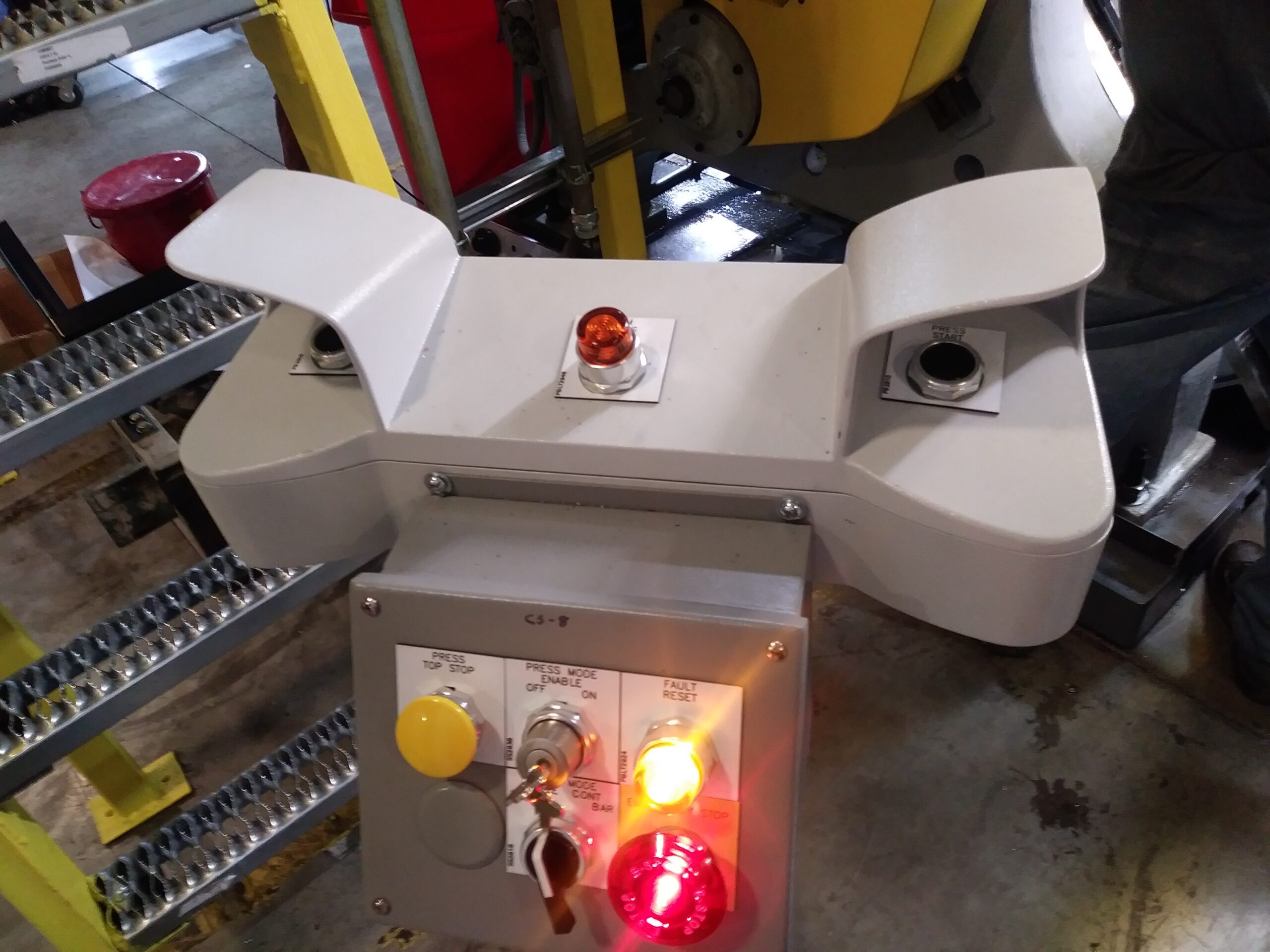
Arrow Industrial Solutions specializes in custom Dual Palm Safety Devices designed to reduce risk, increase operator safety, and ensure compliance in industrial environments. Whether you’re retrofitting legacy machinery or building new production systems, we provide tailored solutions that meet OSHA standards and fit your unique workflow.
Dual palm buttons are an essential safety feature in many industrial applications. Operators are required to press two buttons simultaneously using both hands, ensuring they are not in harm’s way when a machine cycle begins.
Get Started Now!
Why Dual Palm Safety Devices Are Essential for Machine Guarding
Dual palm safety devices are a proven safeguarding method for machinery with hazardous motion, requiring operators to use both hands simultaneously to initiate a cycle. By ensuring that hands are clear of danger zones during machine activation, dual palm controls reduce the risk of amputations and crush injuries while maintaining compliance with OSHA, ANSI, and ISO safety standards.
Key Advantages Include:

Our Turnkey Electrical Guarding Process
From concept to compliance, our team can handle every step:
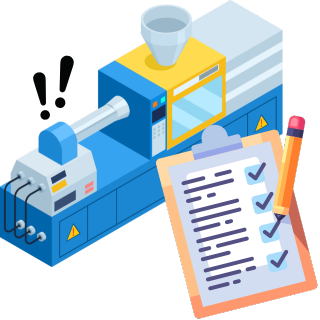
On-Site Assessment
Our TÜV-certified safety engineers at Arrow & Machine Safety Specialists conduct comprehensive risk assessments, reviewing your equipment against OSHA 1910.212, ANSI B11, ISO 13849, and ISO 14120 standards. We identify hazards and define the safeguarding strategy tailored to your operation.
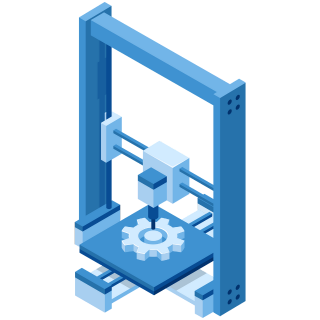
Custom Design
Using advanced CAD and 3D modeling, we engineer guarding systems that integrate seamlessly with your equipment. Every design balances operator access, visibility, ventilation, and maintenance requirements while meeting regulatory standards.
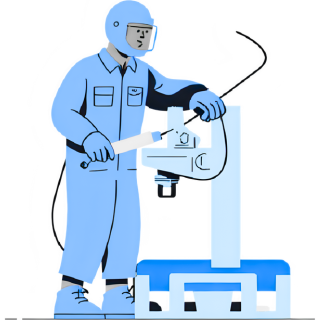
Fabrication
Arrow fabricates components in-house using premium materials such as steel, aluminum, and polycarbonate. We deliver precision framing, gasketing, hardware, and electrical safeguarding devices built to perform in demanding industrial environments.
Installation
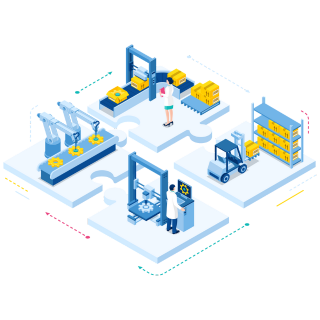
Our expert installation team integrates your system with interlocks, safety switches, sensors, and control devices for full reliability. We ensure that your guarding solution functions as intended without compromising productivity.
Testing & Validation
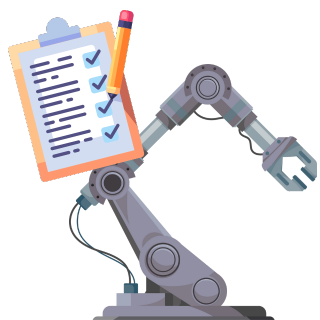
Post-installation, we verify safety performance and provide relevant compliance documentation. Our team also supports training, audits, and certification requirements, helping your facility stay inspection-ready and OSHA-compliant.
Common Applications
Our custom dual palm safety solutions protect workers utilizing multiple types of equipment:
Designed to Meet or Exceed Safety Standards
Our guarding systems are built to align with:
- OSHA 29 CFR 1910 Subpart O – Machinery and Machine Guarding
- ANSI B11.19 – Performance Criteria for Safeguarding
- ISO 14120 – General Requirements for Guard Design
Proactive compliance helps you reduce risk, avoid OSHA citations, and improve operator safety. Whether you’re safeguarding one machine or modernizing an entire production line, we can help. Expect fast quotes, clear timelines, and expert guidance from start to finish.